
Supporting education, by providing resources to schools and students in the developing world.
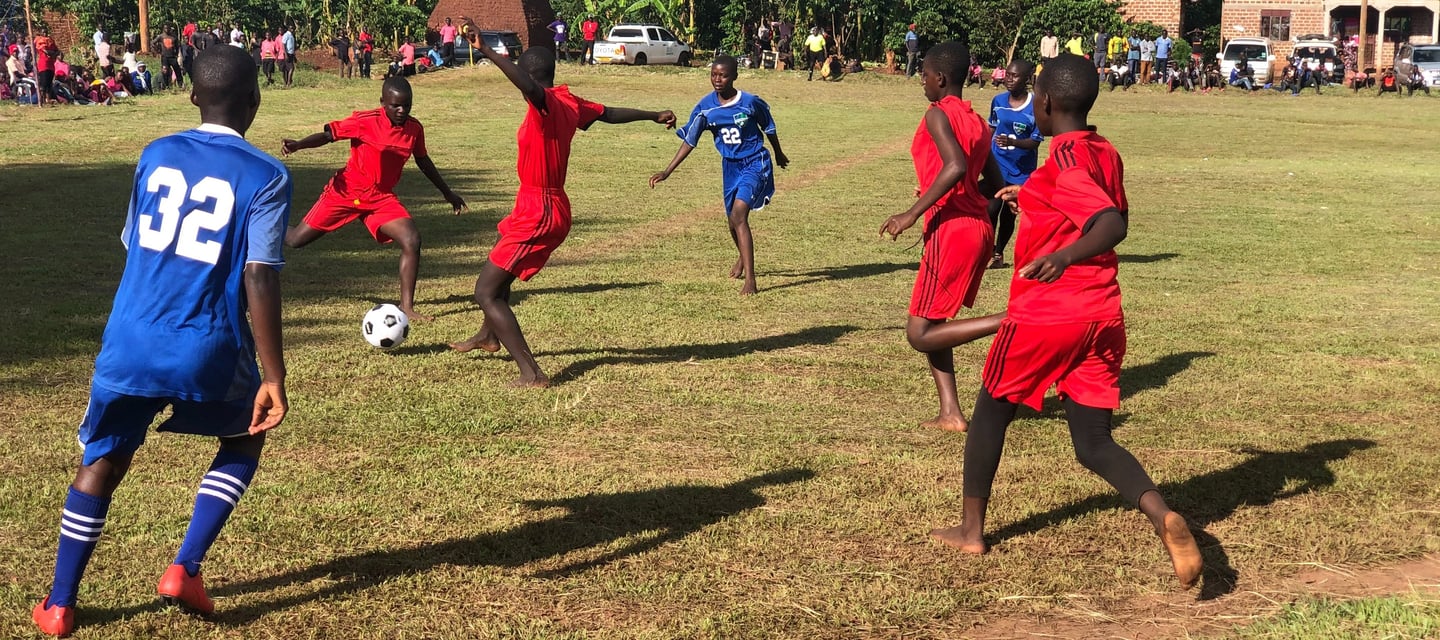
Girls Football Tournament

Why a Girls Football Tournament?
Girls need to have the same access to education as boys. Although the number of girls enrolled at the foundation level classes in Uganda is always equal to or even more than that of boys, as the children grow older, the number of girls attending school declines steadily. Even with the introduction of free universal primary education, the number of girls graduating from primary schools remains very low. Four out of five girls do not attend high school.
Though education is free, school supplies and uniforms are not and because of this, when faced with a choice to either send a son or a daughter to school, a son's education will usually be prioritized. Furthermore, the Global Partnership for Education reported that especially in rural areas, local traditions dictate that girls can be married in exchange for dowry. Thus many families look at the potential short term income from dowry, rather than the lifetime of benefits that a well educated and skilled daughter can provide the family. It is common for girls to get married and/or pregnant before the age of 18. In fact around 10% of girls are married before the age of 15. In Uganda, teenage pregnancy rates are some of the highest in the world.
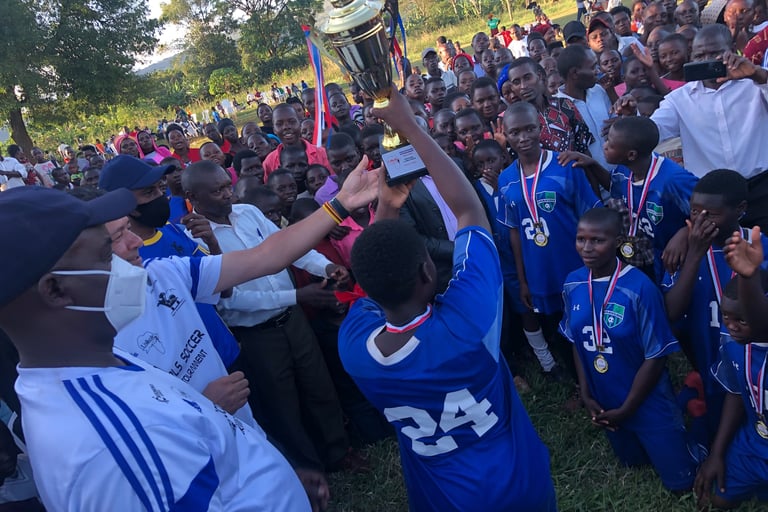
The SunSow Girls Football Tournament is an annual initiative aimed at empowering girls through sport, fostering confidence, leadership, and community development. Since its inception in 2019, the tournament has grown into a platform that not only celebrates athletic talent but also champions gender equality, education, and youth empowerment in Kiboga District, Uganda.
Over the years, the tournament has united schools, communities, and partners with one shared belief — that sport can be a powerful catalyst for social transformation. Through football, girls gain more than skills; they gain voice, visibility, and opportunities that shape their future.
2026 Theme Rationale: “Her Game, Our Future”
The 2026 edition continues to build on the momentum of previous tournaments, reinforcing the message that investing in girls is investing in the future. The theme “Her Game, Our Future” recognizes that when girls are given equal opportunities to participate in sport, they learn discipline, teamwork, and leadership — values that ripple through families, schools, and communities. It’s a call to action for all stakeholders to create supportive environments where girls can thrive both on and off the field.
This theme aligns with UN Sustainable Development Goals (SDGs) particularly:
Goal 5: Gender Equality
Goal 4: Quality Education
Goal 3: Good Health and Well-being
Goal 10: Reduced Inequalities
OBJECTIVES
Overall Goal: To empower girls through football as a platform for self-expression, leadership development, and community transformation.
Specific Objectives:
To encourage the enrolment of 100 schools in Kiboga District and involve over 2,500 Girls in the tournament
To provide academic scholarships to the best players of the Tournament through Our #SowHerFuture Campaign
To empower girls to manage their Menstruation with dignity & confidence, while actively challenging the stigma surrounding this natural process
To empower girls with financial knowledge and practical skills for economic independence and sustainable livelihoods.
To create safe, inclusive, and supportive spaces where girls can express their talent and leadership potential.
To engage communities, parents, and schools in advocating for gender equality and youth development.
To strengthen partnerships among stakeholders in education, sports, health, and gender empowerment.
Expected Outcomes
By the end of the 2026 tournament, we expect to achieve:
1,873+ Girls to be enrolled in Schools (Increased participation of girls in sports at school and community levels.)
835+ Young Girls to be impacted through Mentorship (Strengthened awareness and support for girls’ empowerment through sport.)
1,353 + Adolescents Girls to be trained in financial knowledge, sexual reproductive Health and practical skills.
45+ Scholarships to be awarded
187+ Communities impacted (Improved community attitudes toward girls’ potential and rights.
Stronger networks and partnerships between schools, community organizations, and development partners.
HER GAME, OUR FUTURE!
The SunSow Girls Football Tournament 2026 (Review Concept Note here) runs from February to the end of March and stands as more than a sports event — it is a movement of empowerment, unity, and transformation. Under the theme “Her Game, Our Future,” we reaffirm our commitment to building a world where every girl can play, learn, lead, and thrive.
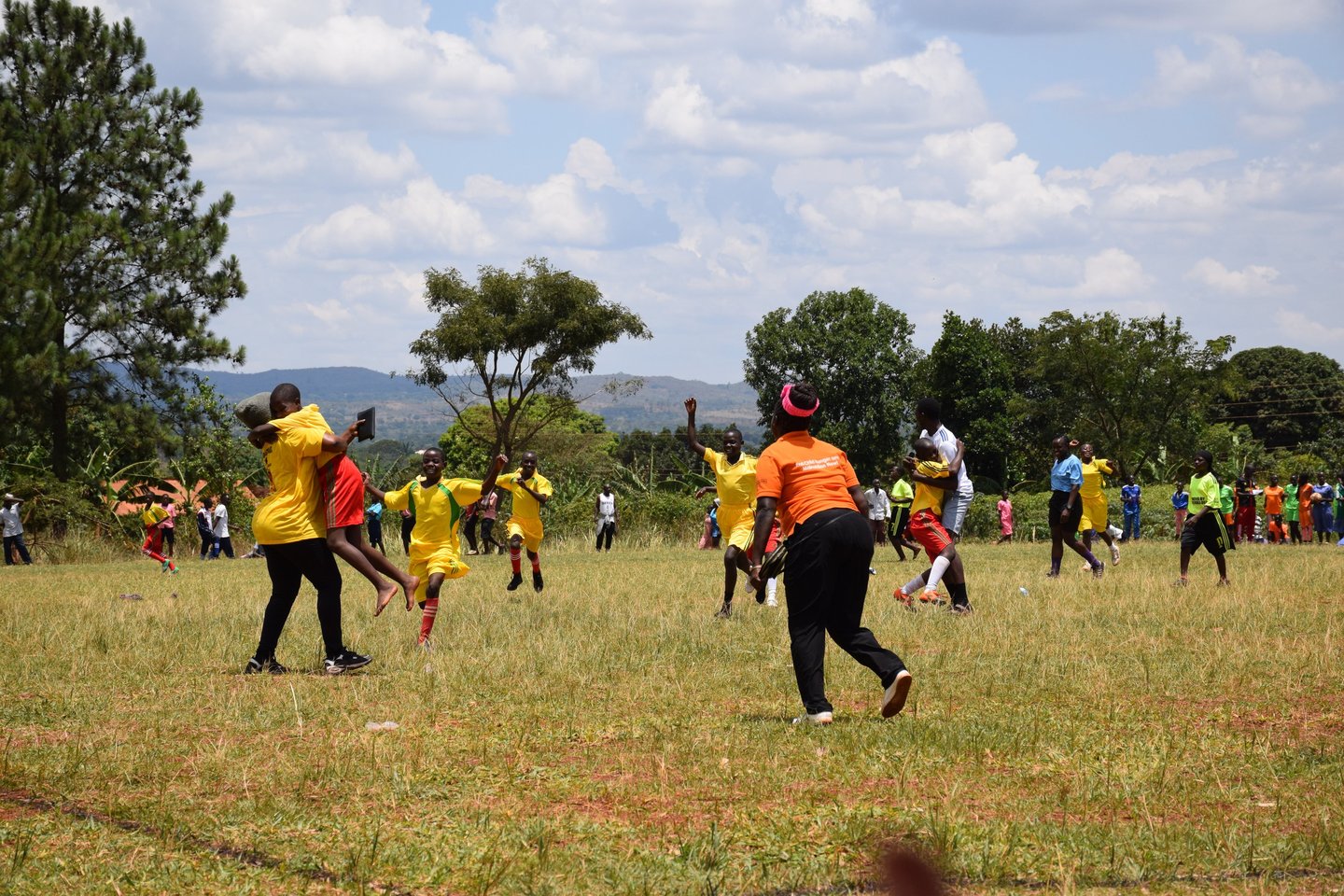
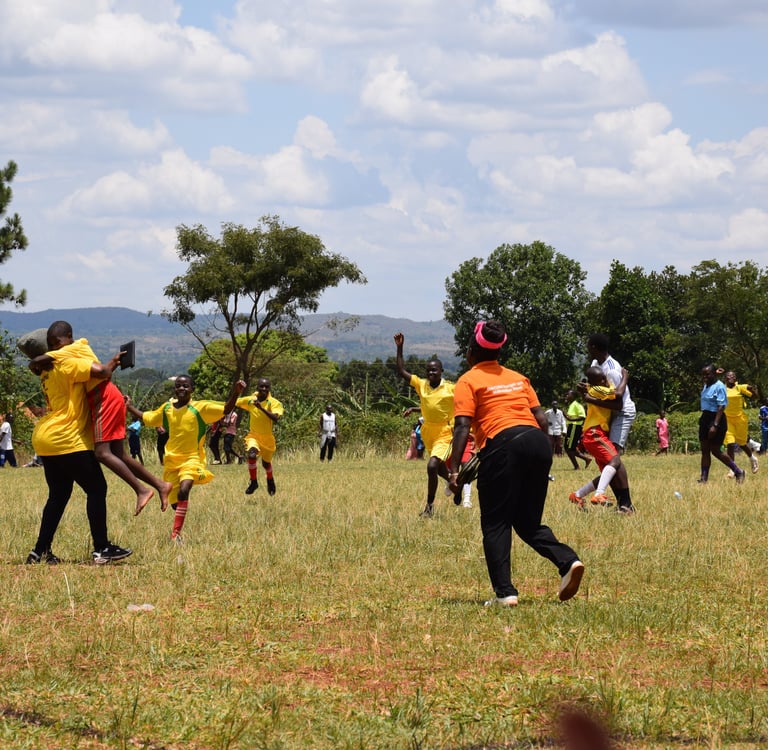
"Together, let’s celebrate her courage, support her dreams, and shape a future where every girl’s victory is a community’s success"
Sister Schools Program



A Joint Project between Einstein Rising Canada and Zetu Foundation.
HOW THE PROGRAM WORKS
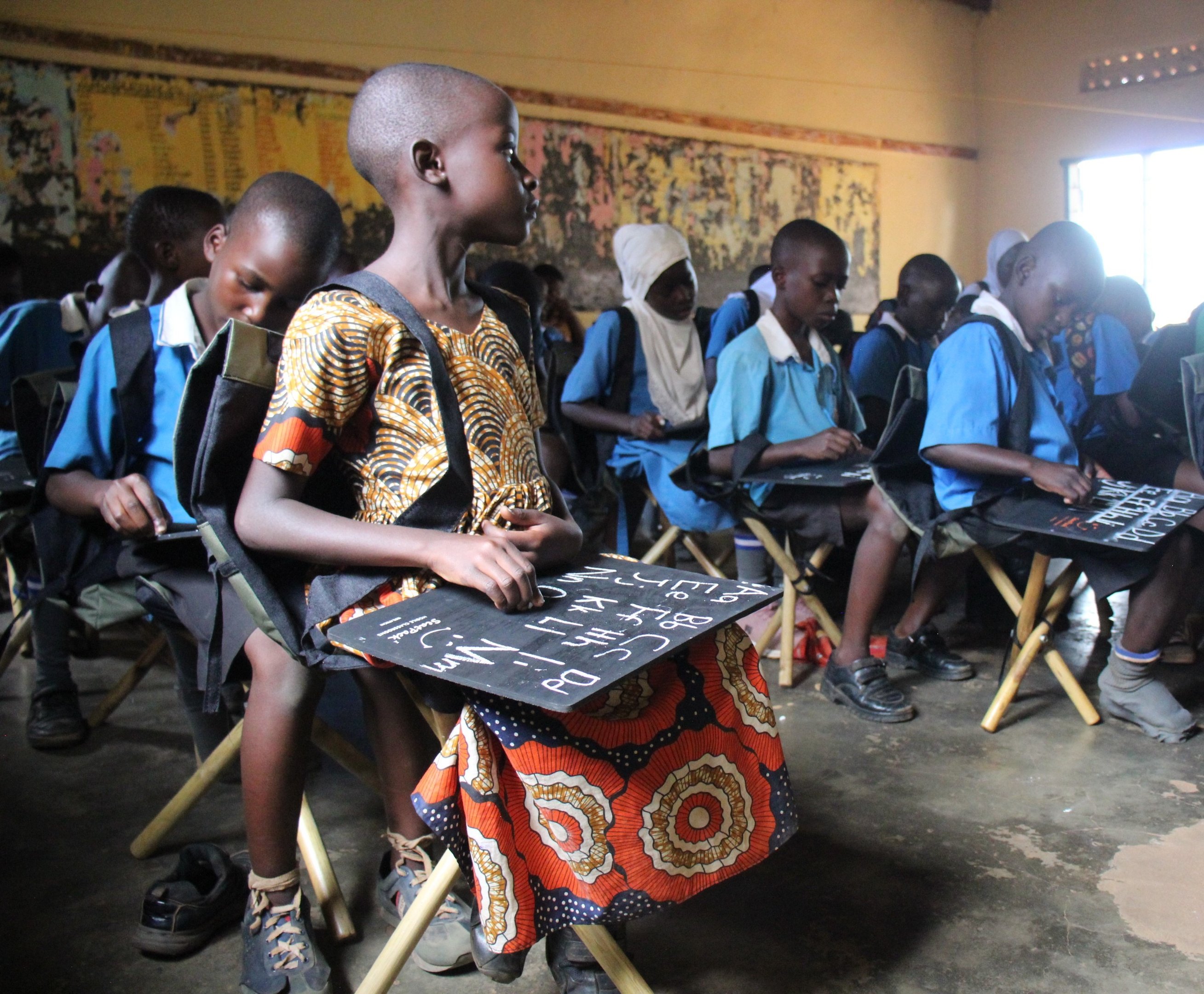
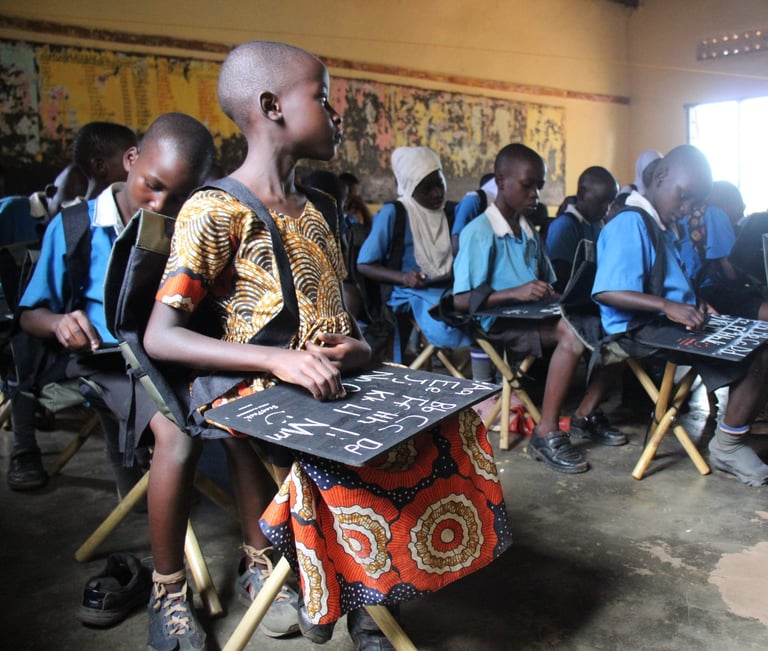
First, we make a Presentation at a Canadian elementary school to give students a glimpse into the life of a student in Uganda. Uganda is a landlocked country in East Africa, with over half its population under the age of 17! Although public education is free, Uganda's schools are extremely crowded (average classroom ratio is 80 children to 1 teacher), underfunded and under-resourced (8 million children attend primary school, with over 2 million using the bare classroom floors, without basic furniture to sit and write during classes). Additionally, 80% of all school children in Uganda do not have access to electricity at home, making studying at home after dark near impossible.
Canadian students and staff are asked to consider what would school be like if they didn’t have any computers or books? How would they learn math if they had no notebooks or pencils? What would their classrooms be like if there were no tables or chairs and they all had to sit and write on the floor? How would they do homework if they had no lights at home?
Our goal is to partner with Elementary and Middle Schools throughout Ontario, Select a Sister School in Uganda.
In East Africa, approximately 10 million children below the age of 15 study in neglected classrooms lacking basic furniture, running water and electricity. These factors greatly discourage children from completing primary school, moving on to a secondary education and in the long-term, keeps them out of the employable future population. Our goal is to see more children from low-income families transition from a primary education to a secondary school education by distributing the basic learning equipment they lack for use at school and home daily.
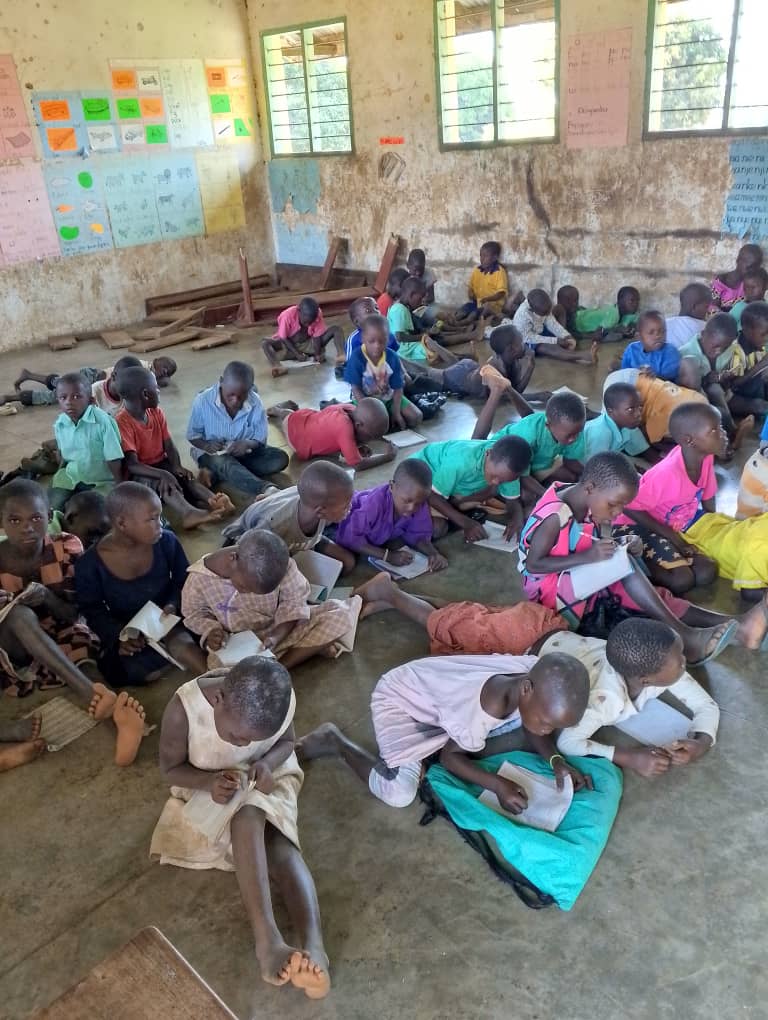
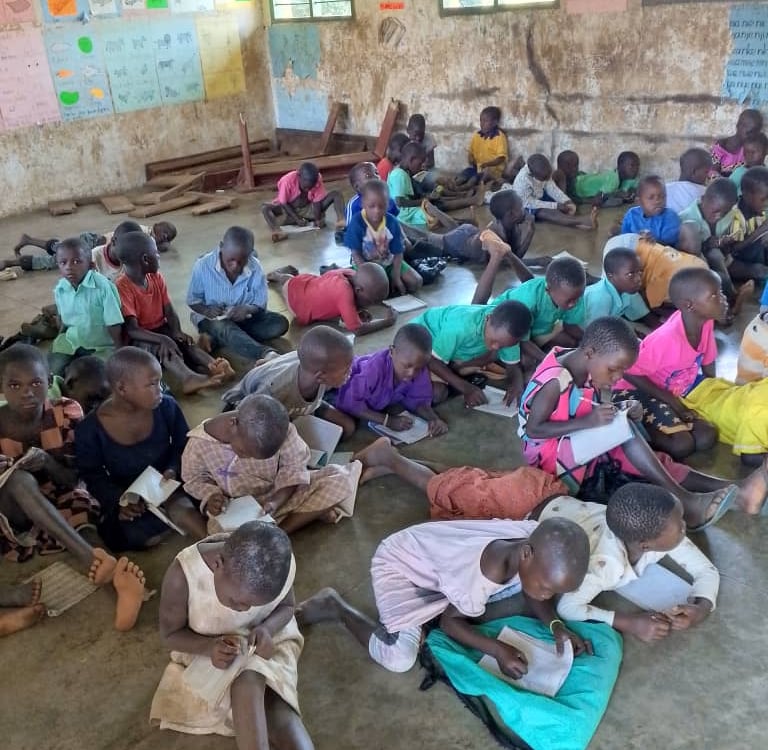
Canadian Sister School students will have the opportunity to learn about student life and school in Uganda directly from their Uganda Sister School mates, from poor schools that have no desks, tables, school supplies, and in some cases, no classrooms.
Once a connection has been built and students understand the challenges facing their Uganda Sister School, Students and Faculty will have the opportunity to donate funds to buy SeatPacks, notebooks, pencils and other school supplies. Students can also donate school supplies, soccer balls and any other items that the students feel would be helpful to their Uganda Sister School mates.
Einstein Rising Canada will acquire the needed supplies, and handle sorting, boxing and delivering all donations to the Uganda Sister School.
There will be plenty of photos of classrooms full of Uganda Sister School students working on their new furniture, reading the books, using the pencils and other school supplies, and playing with the toys Canadian students donated.
As part of the program, we encourage teachers to have the students write letters and learn about Uganda, its people, cultures and lifestyles.
Near the end of the school year, we visit the Canadian schools for a Return Presentation, where we show students first-hand the difference they made in the lives of Ugandan children. We will present songs and well wishes performed by the Ugandan Sister School students, read personal letters written by the Ugandan students, and realize that their gifts incited joy and celebration in these communities.
Before the Canadian Sister School children finish their school year, We encourage them to find new ways to serve within their own communities.


"If your children can change lives in Uganda, imagine what change they can bring to their school and family neighborhood."
Tel: +1 (365) 996-8400
Email: engage@einsteinrisingcanada.com
Einstein Rising Canada


Terms or Engagement
Media Policy
Privacy Policy
Shipping Policy
@2026 All rights reserved